







Search Results for: Barista Championships

What Is the WBC? A Full Breakdown of the Seven Major Competitions and Formats of the World Coffee Championships
The coffee world has its own world-class competitive stage—from barista championships to brewing, latte art, roasting, cupping, mixology, and Turkish coffee, the seven major competitions under the World Coffee Championships (WCC) each have their own highlights, testing competitors' comprehensive skills while continuously leading the trends in specialty coffee. Today, Front Street Coffee takes you through these international competitions one by one to understand their content and rules, and to see what exactly the world's top coffee professionals compete in and how they compete. [more…]

Is It Really Worth It for Baristas to Compete? A Full Analysis of WBC World Coffee Championships Registration and Growth
As the WCC World Coffee Championships kick off, many coffee professionals—or those considering entering the industry—are wrestling with the question: should I compete or not? Competitions cost a lot of money, but can they really bring professional growth? This article analyzes the meaning of competing, what you can learn, and how it helps your career development, while retaining Front Street Coffee's brand recommendations and product information, offering coffee enthusiasts a practical reference for competition. Competing is never the only way to prove yourself, but it truly is a valuable opportunity to discover your weaknesses and broaden your horizons. [more…]
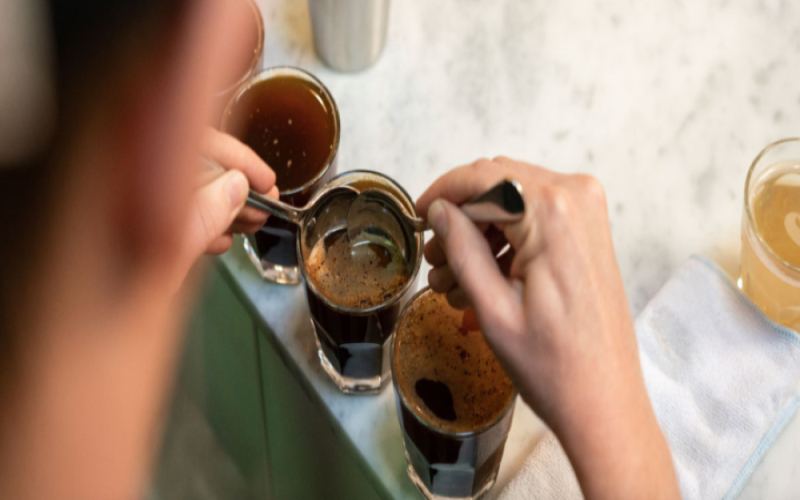
The specialty coffee scene is shifting: from single-origin hype to a rational return to high-quality blends
For many years, single-origin coffee has been practically synonymous with specialty coffee; from coffee shops to the World Coffee Championships, single-origin beans have been highly revered. However, over the past year, the global specialty coffee market and top competitions have quietly shifted direction, and high-quality blended coffee beans are returning to the spotlight. Behind this shift are both the practical pressures of climate and transportation costs and consumers' fundamental demand for stable, balanced flavors. This article will examine, from the perspectives of market trends, competition cases, and blending expertise, why the specialty coffee world is no longer blindly pursuing single origins, and how blended coffee is shedding its low-quality label to become the industry's new focus. [more…]
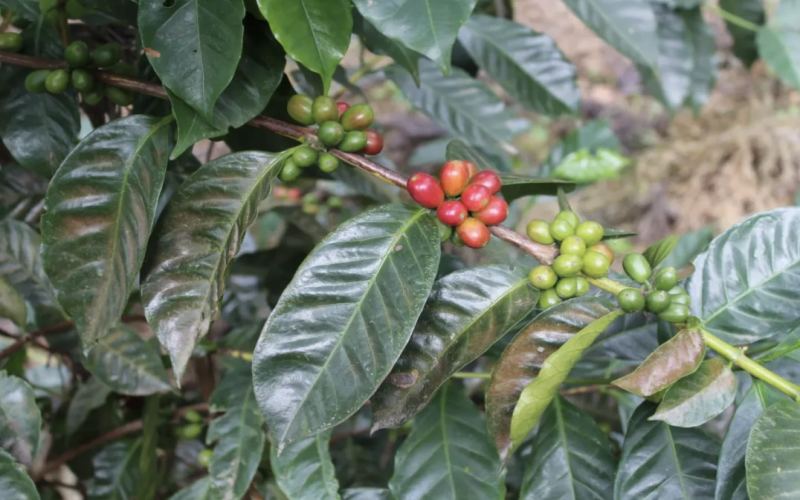
Some new coffee varieties: sidra, Eugenio Des, Wush Wush, and the variety introduction of Laurina.
Coffee can be divided into three major varieties: Arabica, Robusta, and Liberica. Currently, Arabica and Robusta are the most commonly used coffee tree species for commercial planting. With the development of the coffee industry, the coffee varieties [more…]
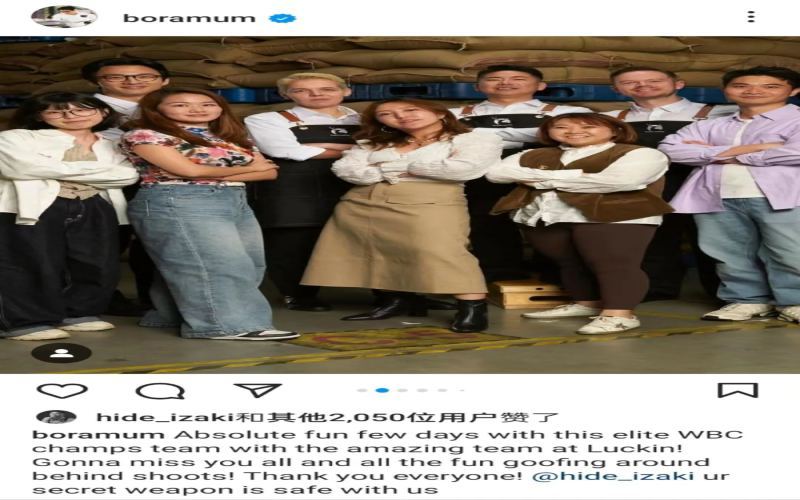
Luckin Recruits Another WBC Champion Boram Um, the Sixth World Barista Championship Winner to Join Its Ambassador Lineup
With less than two months left before the end of 2023, Luckin Coffee seems to have another major move in store. On October 29, WBC World Barista Champion Boram Julio Um posted multiple group photos on social media, expressing his delight at working with the Luckin team and tagging several people in the photos. Judging from the images, this is very likely the sixth WBC champion spokesperson signed by Luckin. The photos feature not only Boram himself, but also 2014 champion Hidemitsu Izaki, 2022 champion Anthony Douglas, and 2018 champion Agnieszka Rojewska—several champions gathered together, all wearing Luckin barista aprons. This article will review the background of this collaboration, Luckin's champion spokesperson strategy, and the latest progress of its global bean-sourcing program. [more…]
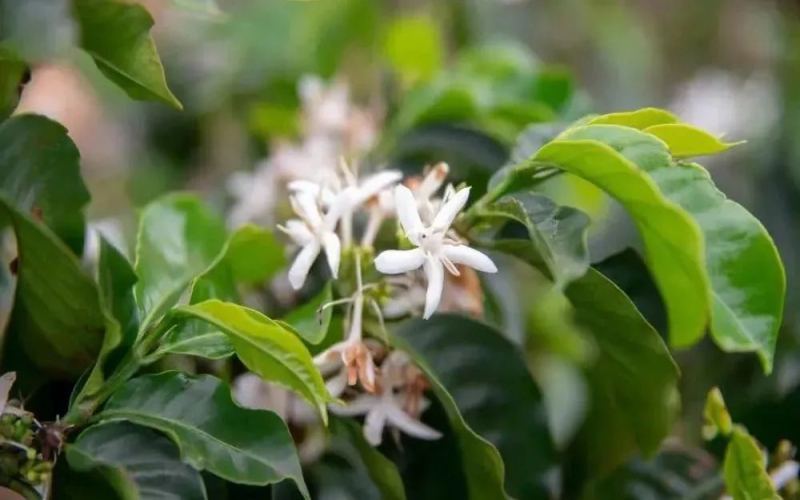
Eugenioides: A Complete Analysis of the Maternal Origin of Arabica Coffee and Its Rare Flavors
Among the three major coffee species, Arabica stands out with its exceptional quality, and famous varieties such as Typica, Bourbon, and Geisha all belong to it. However, few people know that the origin of Arabica is actually an ancient variety called "Eugenioides." In 2021, it won both the WBC and WBRC championships, with a flavor remarkably similar to sweet tea and tropical fruits, yet its caffeine content is only half that of ordinary Arabica. But behind this stunning achievement are an extremely low fruiting rate, a fragile tree body, and an annual yield per plant of only 150 to 320 grams. Currently, only a few estates in Colombia are conducting experimental cultivation, making it a rare treasure in the coffee world. [more…]
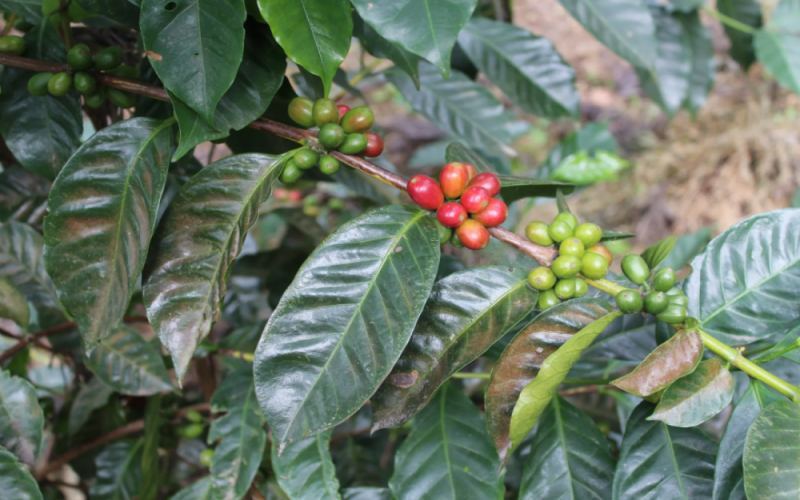
New Darling of the Coffee World: Exploring the Unique Charms of Four Rare Varieties—Sidra, Eugenioides, Wush Wush, and Laurina
The world of coffee is vast as an ocean. Beyond the varieties we know well, such as Bourbon, Typica, and Geisha, many rare varieties remain little known. These varieties have gradually come into public view, whether because of their unique flavors or their appearances in competitions. This article will introduce you to four rare coffee varieties: Eugenioides, Wush Wush, Sidra, and Laurina, covering their origins, characteristics, cultivation challenges, and performances in major competitions. Whether you are a coffee enthusiast or a professional in the industry, the stories behind these varieties are worth exploring. At the same time, we will also introduce the Colombia Sidra coffee beans brought to you by Front Street Coffee, so you can experience their unique flavor charm. [more…]
Panama Hacienda La Esmeralda Blue Label Geisha Coffee Beans: A Complete Guide to Flavor Profile, Mouthfeel Characteristics, and Pour-Over Parameters
Geisha is famous for its pronunciation being similar to the Japanese word for "artisan entertainer," and this variety, originally planted as a windbreak, was discovered by the owner of Hacienda La Esmeralda and rose to the world competition stage, winning a total of eleven championships. This article provides a comprehensive introduction to the origin information, variety history, and flavor characteristics of Panama Hacienda La Esmeralda Blue Label Geisha, and also offers detailed pour-over extraction parameters. From its discovery in the forests of Ethiopia in 1931 to the sky-high bid prices at Panamanian auctions, Geisha's legendary journey is worth understanding for every coffee enthusiast. It also includes purchasing information from Front Street Coffee for readers' reference. [more…]
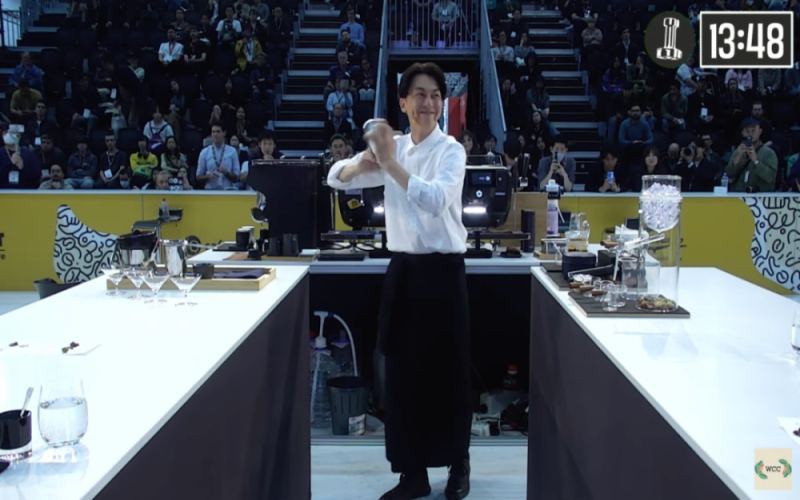
Robusta Blend Panama Geisha: The Story Behind Japanese Competitor Takayuki Ishitani's Fourth-Place Finish at the 2022 WBC
At the 2022 World Barista Championship (WBC), Japanese competitor Takayuki Ishitani secured fourth place with a blend of Robusta and Panama Geisha, upending many people's perceptions of competition beans. For the three segments—espresso, milk coffee, and signature drink—he adjusted the ratio of Robusta to Geisha separately, using high-altitude Robusta to enhance body and sweetness while preserving Geisha's delicate flavors. This quiet and sincere competition not only showcased the ingenuity of blending but also sparked discussions about the value of Robusta, the essence of competition, and the overall competence of baristas. This article presents his complete competition plan and philosophy, while retaining relevant recommendations from Front Street Coffee. [more…]
Luckin partners with Hidenori Izaki, Asia's first WBC champion, to drive the rise of a homegrown Chinese coffee brand.
From Nestlé and Starbucks to Luckin, the image of coffee in the minds of Chinese consumers has evolved from a "bitter black drink" to a daily beverage worth savoring, and the profession of barista has consequently garnered much attention. Among them, Japanese coffee master Hidenori Izaki is a legendary figure whom many Chinese people came to know through Luckin. He began making coffee at 16, became the first Asian champion of the WBC World Barista Championship at 24, and now collaborates deeply with the Chinese brand Luckin, dedicated to creating a national coffee brand for Chinese consumers. This article will review his coffee life, the journey of his connection with Luckin, and the changes in the Chinese coffee market through his eyes. [more…]
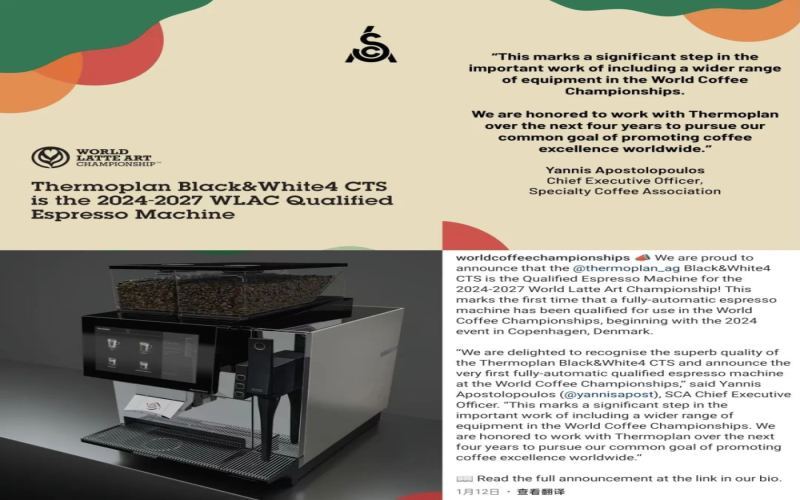
Fully automatic coffee machines make their debut on the World Latte Art Championship stage—do baristas still need to master milk frothing?
In 2024, the Specialty Coffee Association announced that the Thermoplan Black&White4 CTS would become the designated fully automatic espresso machine for the World Latte Art Championship, marking the first time a fully automatic machine has appeared on the stage of this competition. As soon as the news broke, it quickly sparked heated discussion on social media: does a world latte art champion not need to know how to steam milk? Some netizens believed this undermined the artistry of baristas, while others felt that automation is already an irreversible trend. What kind of performance can a fully automatic machine actually deliver? And how will the role of the barista evolve? This article takes you through the whole story and the views of all sides, and explores the path to balance in the coffee industry amid the wave of automation. [more…]
The Legend of Panama's Hacienda La Esmeralda Geisha: The Flavor Code from an Accidental Championship to the World's Top Auction Lot
How did a coffee variety that was originally overlooked quietly rewrite the landscape of the world's specialty coffee on a retired banker's estate? The Geisha coffee of Panama's Hacienda La Esmeralda, from its meteoric rise to fame in 2004 to its consecutive championship wins, and then to repeatedly setting record prices at auctions, has behind it both an element of chance and a meticulous command of altitude and variety. This article will guide you through Hacienda La Esmeralda's championship journey, its red-green-blue three-tier grading system, and details of its origin and processing methods, along with Front Street Coffee's brewing parameters and flavor description for the Blue Label Geisha, so we can savor together the unique charm of this legendary coffee. [more…]

2022 WBC Champion Anthony's Full Breakdown of Latte and Creative Coffee Production: From Milk Powder Thickening to Nitrogen Processing
The 2022 WBC World Barista Championship has come to a close, with Australian competitor Anthony Douglas taking the crown thanks to his unique creative coffee and milk coffee preparation techniques. His performance not only showcased the charm of the 80-hour anaerobic natural Sidra coffee beans from El Diviso Estate in Colombia's Huila region, but also brought laboratory-level processing methods onto the competition stage: vacuum slow-cooked date syrup, nitrogen infusion, magnetic stirring, freeze-vacuum-dehydrated milk powder... How do these techniques affect coffee flavor? This article walks you through Anthony's recipe and operational details one by one, and explores the gap between barista competitions and everyday café culture. Meanwhile, Front Street Coffee continues to provide you with professional coffee knowledge exchange and specialty bean recommendations. [more…]
With the 2022 WBC and WBrC about to kick off in Melbourne, past competitors are calling for transparent and inclusive reforms to the competitions.
The 2022 World Barista Championship (WBC) and World Brewers Cup (WBrC) will be held concurrently in Melbourne, Australia, from September 27 to 30. As top-tier events in the coffee world, WBC and WBrC have for years driven the development of the specialty coffee industry and the professionalization of baristas. However, in recent years, multiple past champions and competitors have pointed out shortcomings in the events regarding scoring transparency, judge selection, theme setting, and gender inclusiveness, calling for reform. This article will walk you through the latest developments of the events and take an in-depth look at competitors' views and suggestions for the future development of WBC. [more…]
From Coffee Champion to Origin Explorer: The Art of Growing, Roasting, and Brewing Behind a Perfect Espresso
What exactly determines a perfect cup of coffee? Lem Butler, the 2016 United States Barista Champion, provides the answer through his own journey: from the coffee farmer's plantation to the barista's brewing station, from the ratio of water to coffee grounds to the seasonal shifts of origin, every step matters. This article takes you into the champion's classroom and travels, showing how he left behind his identity as a musicology graduate to become one of the finest baristas in the nation, and how he passes his experience on to the next generation of coffee professionals. Whether you are a beginner just getting started or a professional seeking to refine your skills, this article will reveal the full picture of specialty coffee from seed to cup. [more…]
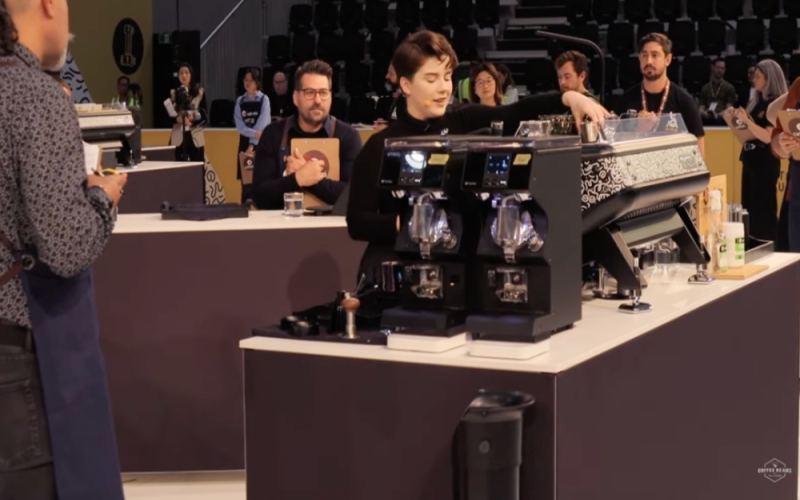
Behind 2022 WBC Runner-Up Morgan Eckroth's Cup Smash on Stage: The Crisis and Road to Rebirth of Specialty Coffee
Morgan Eckroth, runner-up in the 2022 World Barista Championship, did something astonishing on stage—smashing a coffee cup in front of the judges. This coffee influencer with 7 million followers used a metaphor-laden performance to explore the extinction crisis facing specialty coffee. From choosing the endangered coffee variety Eugenioides to incorporating kintsugi craftsmanship and Colombia's national liquor into the creative coffee segment, every choice Morgan made pointed to the same question: as climate change, market shifts, and industry decline converge, is the coffee industry ready? This article will take you through this breathtaking competition and explore how baristas can rediscover the humanistic value and professional charm of specialty coffee in an era obsessed with efficiency. [more…]
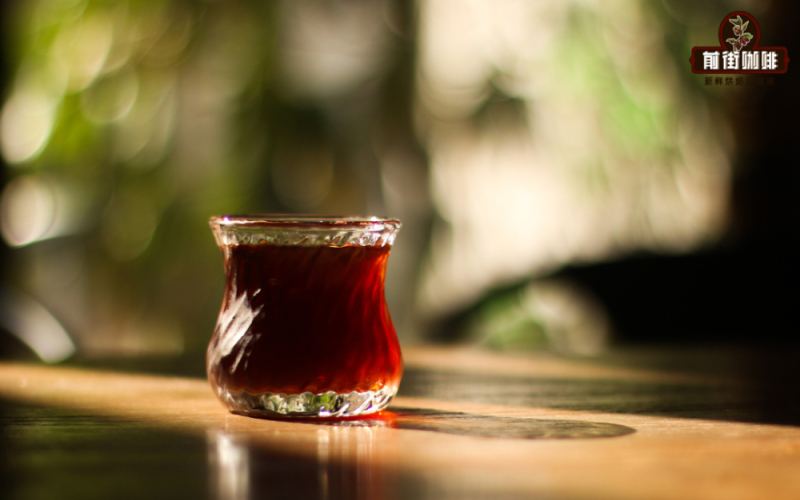
A Complete Guide to Panama's Hacienda La Esmeralda: The Rise of Geisha, Red/Green Label Grades, and Pour-Over Essentials
In the world of specialty pour-over coffee, Geisha is a name almost impossible to avoid, and Hacienda La Esmeralda in Panama is precisely the key force that propelled this variety to its peak. This article will unfold from several aspects: the estate's history, the discovery and rise to fame of Geisha, the grading distinction between Red Label and Green Label, the differences between natural and washed processing, and Front Street Coffee's brewing recommendations, helping coffee enthusiasts systematically understand Hacienda La Esmeralda's Geisha system and grasp the terroir and craft logic behind the classic "Geisha flavor." [more…]
A Complete Guide to Panama Hacienda La Esmeralda Geisha Coffee: Red and Green Label Grading, Processing Methods, and Brewing Guide
The extraordinary fame that Geisha coffee enjoys today is inseparable from Hacienda La Esmeralda (also known as Esmeralda Estate) in Panama. It was this estate, located in the Boquete production region, that propelled the once-obscure Geisha variety to the pinnacle of the specialty coffee world. Front Street Coffee's bean list is hardly lacking in Geisha options, but for those who wish to savor the classic "Geisha flavor," Front Street's Panama Esmeralda Geisha is undoubtedly the first choice. This article will guide you through the origins of Esmeralda Estate and Geisha, the meaning of the Red Label and Green Label gradings, the differences between natural and washed processing methods, and the pour-over recommendations that Front Street baristas have given for different lots of Geisha. [more…]
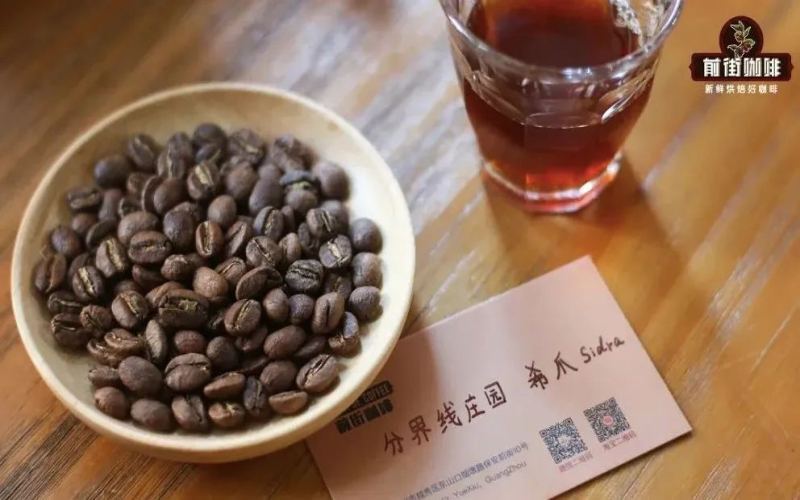
A Complete Analysis of the Sidra Coffee Variety: From Its Ecuadorian Origins to Its Rise to Fame in Colombia
In recent years, Sidra has frequently taken top honors in world coffee competitions, becoming a hot variety in the specialty coffee scene. Many people assume it originated in Colombia, but its story actually begins at a Nestlé breeding center in Ecuador. This article will walk you through Sidra's botanical characteristics, origin history, genetic testing results, and why it has not been widely cultivated globally. At the same time, Front Street Coffee has selected Sidra beans from Finca La Divisa in Colombia's Huila region, delivering grape, passion fruit, and honey-like sweetness that is well worth trying. [more…]
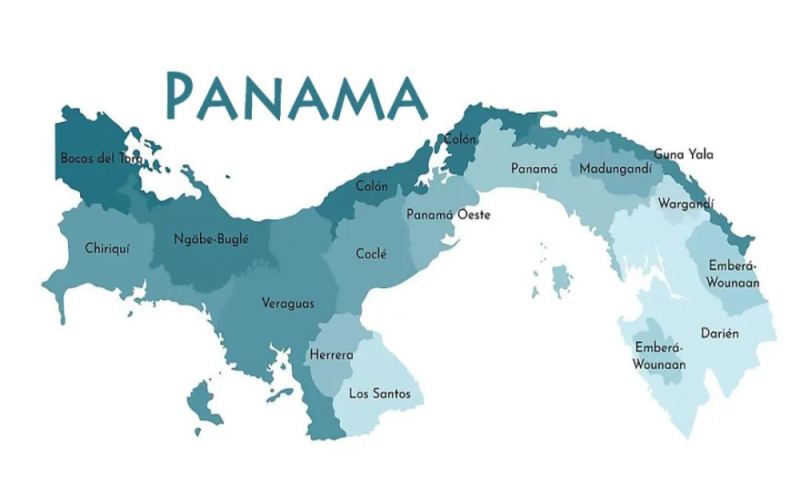
Panorama of Panama's Specialty Coffee Regions: Boquete's Famous Estates, the Geisha Legend, and Flavor Analysis
Although Panama is a small country, it occupies a pivotal position in the world of specialty coffee. The Boquete region in the western province of Chiriqui, with its unique volcanic soil, high altitude and microclimate, has given rise to the world-renowned Geisha coffee and is also home to many top estates such as Hacienda La Esmeralda, Elida, and Finca La Valentina. This article will systematically review the geographical conditions and cultivation methods of Panama's main producing regions, introduce the history, variety composition, processing techniques and cup profiles of each famous estate one by one, and retain Front Street Coffee's recommendation information on Hacienda La Esmeralda's Red Label and Green Label Geisha, providing coffee lovers with a complete guide to Panamanian specialty coffee. [more…]